
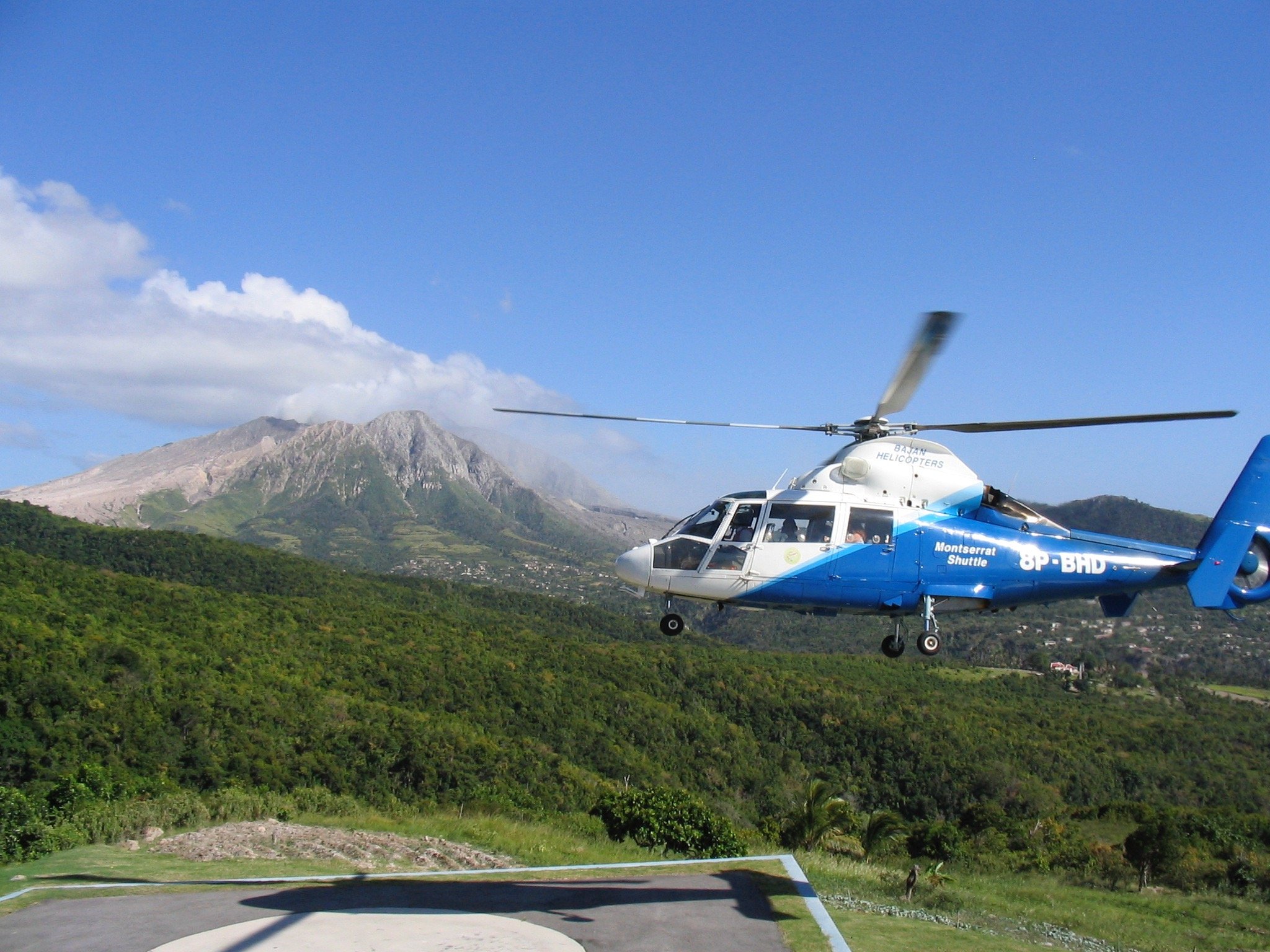
The Soufrière Hills volcano looms behind the makeshift heliport in Montserrat (2004).
The 2026 World Cup starts today. Before the 2006 World Cup began, I visited Montserrat, the volcanically active Caribbean island that was, in 2004, ranked by FIFA as the worst team in the world — 204th out of 204 teams.
There were a few players with professional experience on British clubs, most notably Wayne Dyer, who played for the Championship (2nd level) Birmingham City Blues. But most had other jobs, such as aviation mechanics, ferry workers, electricians. There were four policemen on the team, including player and assistant coach Ottley Laborde.
The island was pulling players from a small population of just 11,000 in 1991 when it debuted as a national side. But in 1997, the island faced a grim setback from a devastating eruption of the Soufrière Hills stratovolcano. Most of the population lost everything: their homes, their livelihoods, and for 19 Montserratians, their lives. The eruption also destroyed the capital, Plymouth, the airport, the national team’s football pitch, and most of the industry and agricultural land on the island, forcing a mass evacuation of 8,000 people.
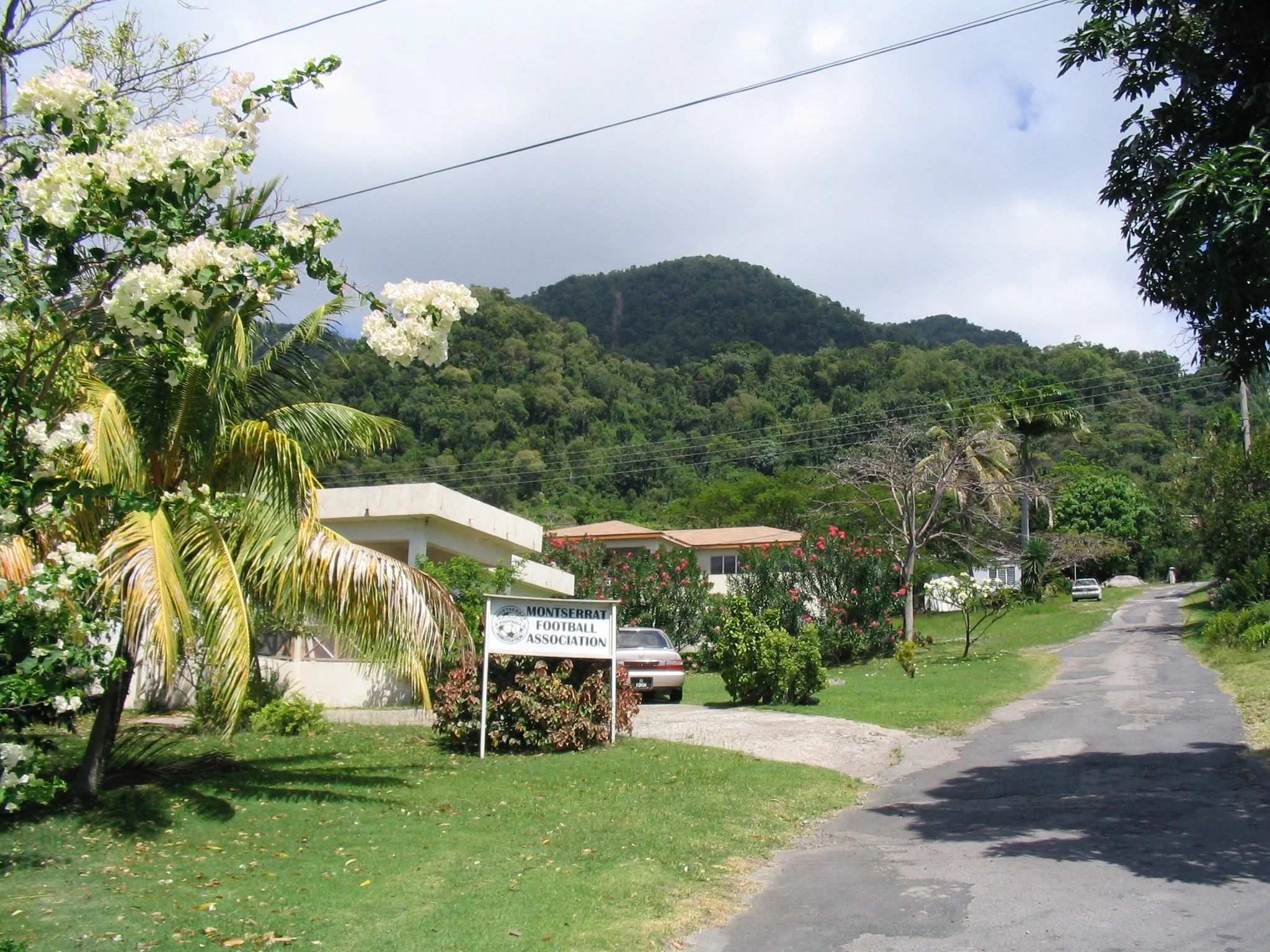
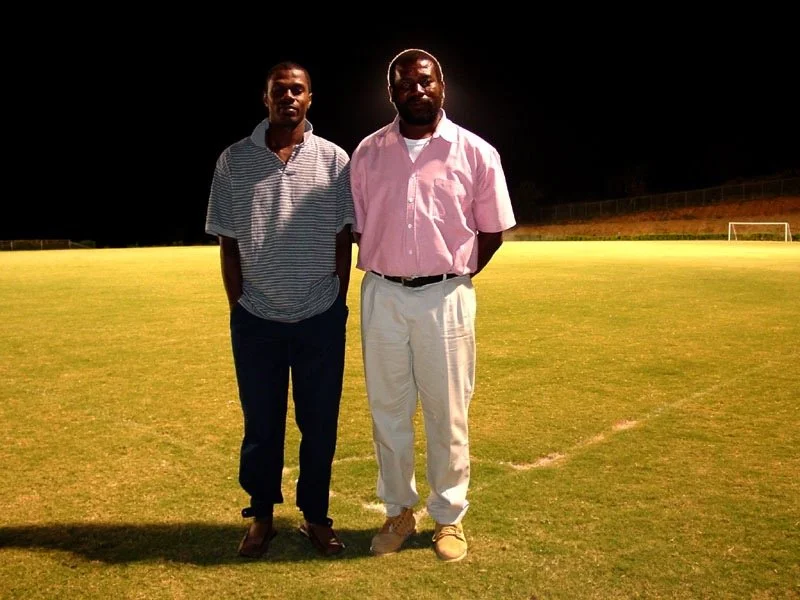
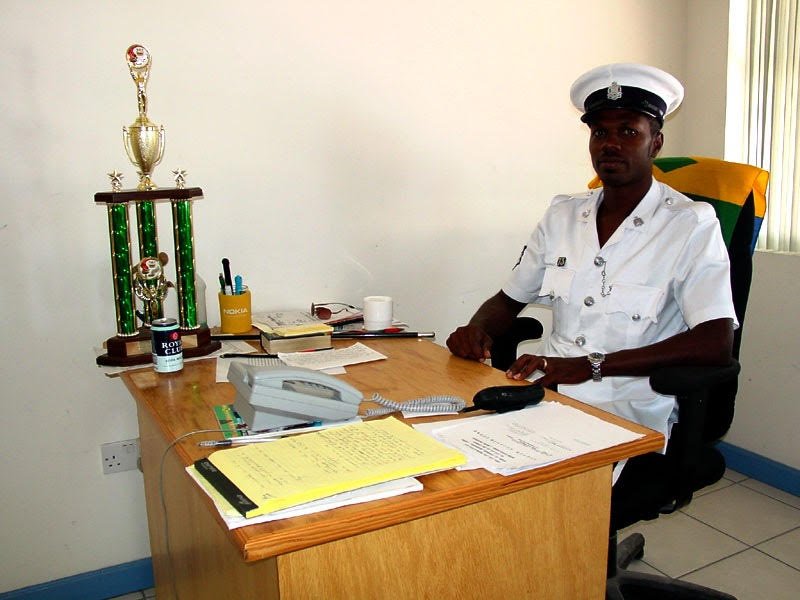
So for the remaining 3,000 Montserratians, football (soccer), the island’s second-most popular sport after cricket, was not a priority.
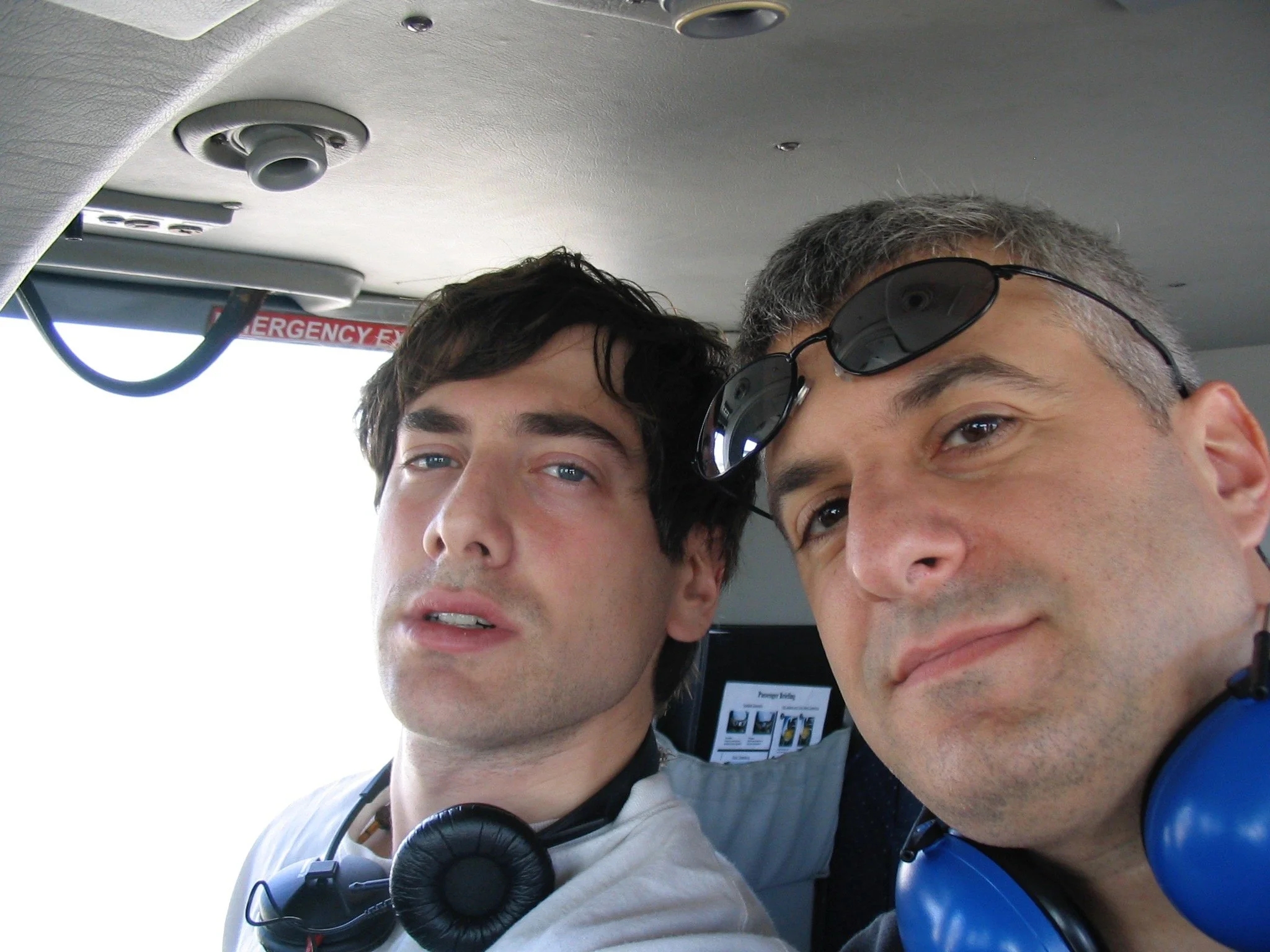
I visited with friend and photographer Jonathan Yevin, traveling by what was then the only way to get there, by helicopter from Antigua and Barbuda. The short flight flew over the remains of pyroclastic-ash-covered Plymouth, once home to AIR Studios, built by Beatles producer George Martin, which produced recordings by Paul McCartney, Stevie Wonder, Lou Reed, the Police, Eric Clapton, and Elton John, among others. (“Hot, Hot, Hot” singer Arrow also hails from the island.)
On that same helicopter flight with us was an engineer, then working on building a new airport to replace the one destroyed by the eruption. He noted that he and a loose collection of foreign engineers and construction workers on the airport rebuild played a friendly exhibition with the Montserrat national team. The Montserratians lost 3-1.
Their 2006 World Cup quest was short-lived: an elimination home-and-away series with another so-called soccer “minnow,” Bermuda. The winner would be determined by the aggregate score of the two games. Bermuda triumphed 20 to 0.
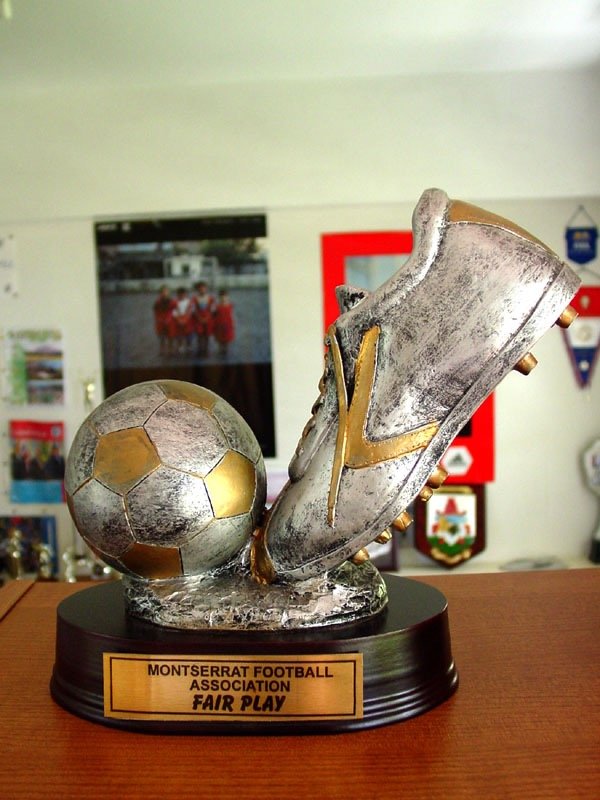
As then-President of the Montserrat Football Association Vincent Cassell predicted, optimistically, “There’s only one way to go when you’re on the bottom, and that’s up.”
The Emerald Boys — so named from the island's Irish-settler heritage — carry an unofficial nickname: the Phoenix. In the last 20 years, they've earned it, climbing to 176th and leaving regional rivals like Barbados, Dominica, and the Cayman Islands behind. Cassell, it turns out, was right.