
Two days before World Tsunami Awareness Day, a different kind of wave hit Washington. On Nov. 3, voters handed Democrats both chambers of Congress, in what might end up being the largest popular-vote victory for either party since 1976. The Republican trifecta — in its two-year run, so destructive to the infrastructure and welfare of the U.S. — was washed away. Now President Trump will enter the final two years of his second term if not (by precise definition) a lame duck, one badly hobbled. And not just because of his cankles and bone spurs.
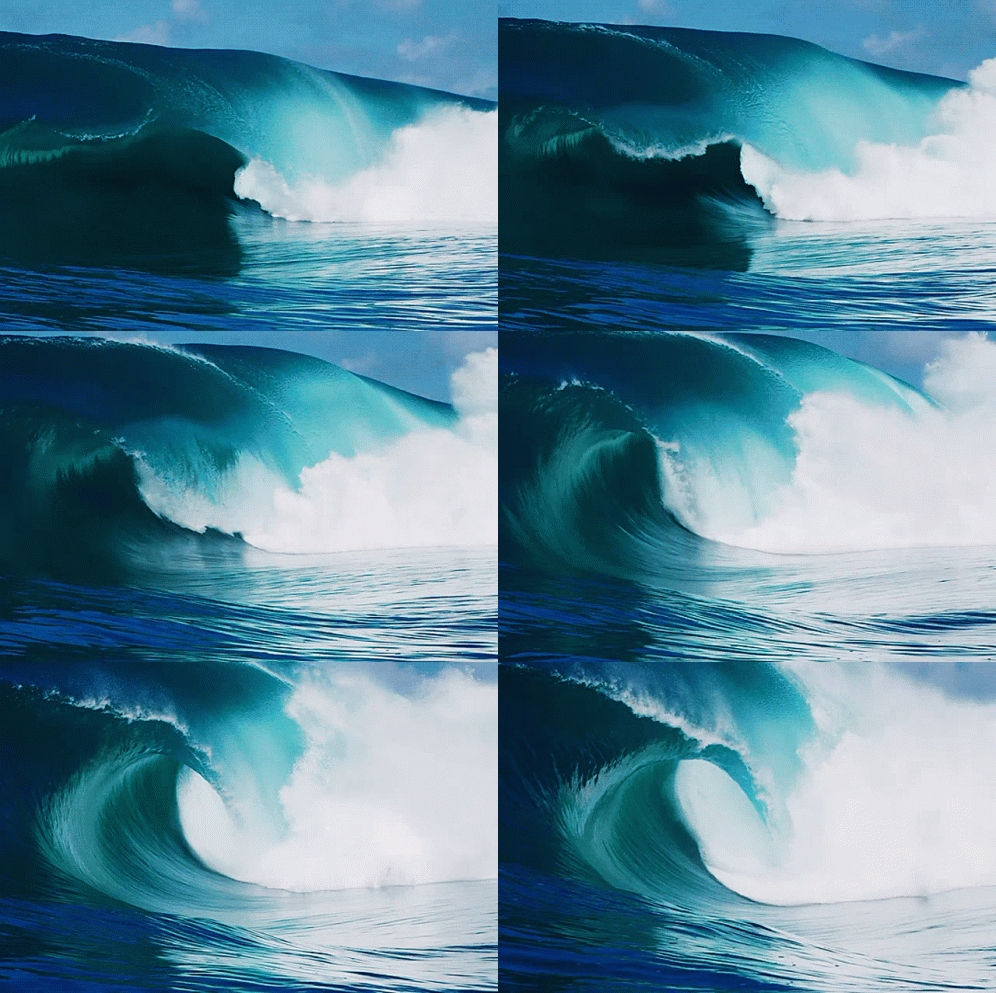
Climate is one area that Trump has been particularly atrocious, and as the UN climate summit, COP31, in Antalya, Türkiye opens this week, the United States (which Trump pulled out of the Paris Agreement for a second time), is sadly expected to leave its seat empty.
We know this president will not lead on climate, because we know he doesn’t lead on anything without a quid pro quo — a massage of his ego or a lining of his pockets. But for those paying attention, climate was indeed on the ballot in the 2026 midterms. Utility bills, water, and a revolt against data centers helped swell the Blue Wave.
So here is a modest proposal: Four things a lame-ish duck president could do — even though we know he likely won’t — on climate that line up with what he says he actually cares about: deals, lower consumer prices, beating China, a legacy. And for each, what the newly empowered Democratic Congress should have in its playbook for January, when the horse-trading starts.
1. Stand with SIDS
Small Island Developing States (SIDS) are the countries least responsible for the negative impacts of climate change, and yet they pay the highest price for it. Leaders from Pacific (Tonga, Palau) and Caribbean (Barbados, Dominica) island nations are setting global examples for how to navigate a warming planet, such as Barbadian Prime Minister Mia Mottley’s leadership on the UN’s Loss and Damage Fund. In Antigua and Barbuda, the head of the national weather service warned that U.S. aid cuts disrupted flood-warning systems and tsunami preparedness. The country's ambassador to Washington estimates average annual disaster losses for small states near 2% of GDP, and each successive storm means borrowing to rebuild, then borrowing again, trapping SIDS in “permanent recovery.”
What Trump Could Do: The U.S. and the Caribbean share a neighborhood. Storms that flatten economies of Caribbean islands 1) drive migration and 2) open the door to China growing its presence in the hemisphere. Restoring aid for early-warning systems would cost relatively little and could buy back some (maybe just a little) of the goodwill that the U.S. has demolished in Trump’s six years in office.
Democratic Playbook: Pledge early-warning money for the next spending bill. And use America’s votes at the World Bank and IMF to push for forgiveness of island nations’ debt payments after a major hurricane.
2. Strike Gold in the Junk Drawer
We can create our own domestic supply of the critical raw minerals that power our phones, batteries, and servers: and we don’t need to invade Greenland to do so. The minerals we need are already sitting in our junk drawers and dumps. Recovering them from the nearly 8 million tons of e-waste Americans throw away each year, known as urban mining, reduces the need for virgin extraction, which 1) damages the environment, 2) depends on dubious labor practices (slave and child labor), and 3) relies on bad actors (from China to warlords). The nonprofit Circular Supply Chain Coalition is building the recovery and reuse networks to make this a reality.
What Trump Could Do: He wants critical minerals that don't run through China? We already have a domestic supply: mined and refined. A push for federal e-waste recovery — starting with the government's own obsolete electronics — would be an easy win.
Democratic Playbook: Start with tax breaks for companies that recycle and rebuild electronics, as long as they hire locally and pay fair wages. And ensure that any new data centers have mandatory plans to recycle their old servers.
3. The Fastest Way to Slow Warming
Methane is a scourge. Cutting it is our fastest antidote to global warming. And cutting it is a win-win — better for planetary temperatures, better for our health. Over a 20-year period, methane is 80 times more harmful than carbon dioxide. Agriculture and food waste account for roughly 60% of human-caused methane. The nonprofit Climate Curve, through its new Climate Curve Prize: Methane, is rewarding methane-reducing solutions in food and waste systems.
What Trump Could Do: Wasted food is wasted money for farmers, grocers, and families. A national push to cut food waste, plus help for farmers to adopt methane-cutting feed additives for livestock, would be pro-farmer and pro-savings.
Democratic Playbook: Put money in the farm bill to help farmers cut methane. Set national goals for composting and keeping food out of landfills. And stop subsidizing methane captured and sold as “renewable natural gas,” which gives companies a reason to keep producing the waste.
4. Go Renewable, Not Nuclear
Islands pay some of the world's highest prices for imported fuel. Yet they have sun, wind, and wave power in abundance, all of which are free. Hawaii was paying $6 billion a year for oil and coal, but it became the first U.S. state to mandate a transition to 100% renewable electricity, by 2045. The nonprofit Blue Planet Alliance (BPA) now helps other islands — from Tonga to Tuvalu, St. Lucia to St. Kitts — follow Hawaii’s lead.
But the Trump Administration (and some Democratic governors) is instead betting big on nuclear. That bet is slow, expensive, and risky. New reactors in the U.S. have run years late and billions over budget, and we still have no permanent home for nuclear waste. (See the 3.6 million pounds of such waste buried on the beach at San Onofre, near San Diego, in an area so seismic it is nicknamed Earthquake Bay.) Communities near reactors have their own concerns about radiation and health, which groups such as the nonprofit Radiation and Public Health Project have long raised.
What Trump Could Do: If the goal is cheap and fast power, renewable solutions like solar farms and wind turbines can be built in a fraction of the time it takes to build even a small modular reactor (SMR). Start with U.S. territories like Puerto Rico, Guam, and the U.S. Virgin Islands (each of which has taken part in BPA’s Fellowship program), for a quick, visible win demonstrating energy independence.
Democratic Playbook: Don’t trade away tax breaks for solar and wind to fund nuclear plants. And when Congress fast-tracks energy projects, put solar, wind, and batteries first.
The Warning Before the Wave
A tsunami warning is only effective if, after one has been detected, there’s an actual plan in place. Climate is no different. None of these four asks requires this do-nothing president to change his mind about climate. Each requires only that he act on interests he already claims he has. And each gives the new Congress something concrete to bargain for.
Voters just created an enormous wave. The climate question for the next two years is whether Washington can put a plan together.
Brooklyn Story Lab has partnered with many of the island governments and all of the nonprofits cited above: Pyxera Global, the Circular Supply Chain Coalition, Blue Planet Alliance, Climate Curve, the Radiation and Public Health Project, and the Samuel Lawrence Foundation,